
THC Vape Guide, UK Vaping News
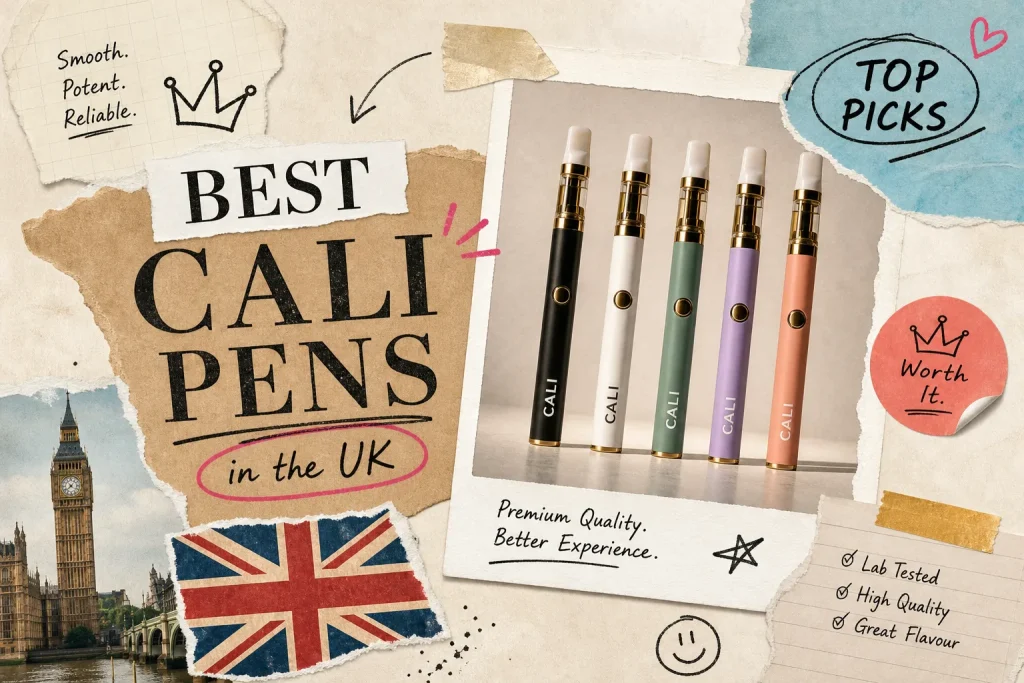
Best Cali Pen Available in the UK Right Now
Jul
Demand for the cali pen and Cali-style vapes has surged across the UK, and with it, the confusion. Every other listing online claims the Cali label, but the gap between a genuine, lab-tested vape and a cheap knockoff is not just a matter of quality. It is a matter of safety. The wrong product, from the wrong source, can put harmful contaminants directly into your lungs.
The team at thcvapestores.uk hears questions about Cali pens regularly, from first-time buyers trying to understand what they are ordering, to experienced users who have been burned by fakes and want to get it right the second time. This guide draws from that day-to-day experience to give you a straight answer on what to look for, what to avoid, and how to make an informed decision.
What a cali pen actually is (and where the name comes from)
“Cali” is short for California, the state that set the global benchmark for premium, regulated cannabis hardware and oil standards. California’s legal cannabis market pushed manufacturers to prioritise purity, strain-specific terpene profiles, and consistent potency to a degree that few other jurisdictions matched at the time. That reputation crossed the Atlantic, and UK buyers began seeking out Cali-branded or Cali-inspired vapes specifically because the name implied a level of care and transparency that generic products could not offer.
The term now covers two distinct categories: genuine US-origin products and UK-made vapes built to the same standard. What qualifies a pen as “Cali-style” is not just the branding. It means high-potency oil, terpene-rich formulations, and premium hardware such as ceramic coil cartridges or draw-activated disposables with proper sealing and consistent airflow.
What’s inside: distillate, live resin, and live rosin explained
Distillate is the most common oil type in a Cali-style pen: highly refined, near-clear oil that isolates cannabinoids at 90% purity or above. Natural terpenes are stripped during processing and added back afterwards, which means flavour depends heavily on the quality of the reintroduced terpene blend.
Live resin uses hydrocarbon solvents on fresh-frozen cannabis, preserving the full terpene profile from the plant itself. The result is richer flavour, a more complex effect, and a slightly darker, more viscous oil than you would find in a standard distillate pen.
Live rosin is solventless, produced using only heat and pressure on fresh-frozen flower. It is widely regarded as the cleanest extraction method available and commands the highest price because the yield is lower and the process is more demanding. For buyers who want the most authentic whole-plant experience, live rosin is the benchmark.
Cali Pen
-

10 10 Boys Vape UK
Price range: £28.00 through £1,400.00 -

1g Distillate filled glass syringes
Price range: £75.00 through £1,200.00 -

3 Chi Vape Uk
Price range: £19.00 through £1,300.00 -

Ace Ultra Premium Gold
Price range: £24.00 through £1,400.00
Why Cali-style vapes have taken hold in the UK
The practical advantages of vaping over smoking have pulled a significant portion of UK cannabis users away from traditional methods. There are no combustion byproducts, dosage is easier to manage with short draws rather than full joints, and the vapour dissipates quickly without the lingering odour that smoke leaves on clothing and furnishings. Many buyers who switch from smoking report that a quality Cali-style vape delivers a cleaner, more consistent experience.
The social dimension matters too. Cali branding carries genuine cultural weight within UK cannabis circles. Many buyers have either encountered these pens in social settings, read about them online, or had a poor experience with an unbranded disposable and want to upgrade. Based on enquiries received at thcvapestores.uk, most buyers are not primarily price-driven. They are looking for potency, flavour authenticity, and confidence that what is on the label matches what is in the pen. Trust is the primary driver, and price is secondary.
THC, THCA, THCP, and CBD: understanding what’s actually in the pen
Cali-branded pens sold in the UK market contain a variety of cannabinoids, and the differences in effect, potency, and legal status are significant. Getting this wrong is where buyers either overpay for the wrong product or, worse, consume something far more potent than they anticipated.
THC (Delta-9) is the baseline cannabis high: euphoria, relaxation, and altered sensory perception lasting roughly 2, 4 hours when vaped. THCA is non-psychoactive in its raw form but converts to Delta-9 THC the moment heat is applied. Vaping a THCA pen produces a standard THC effect, not a distinct THCA experience. For a focused primer on THCA vapes and what to expect, consult a complete THCA vapes guide.
THCP binds to cannabinoid receptors with approximately 33 times the affinity of THC, translating in practice to an effect estimated at 5, 10 times stronger, with significantly longer duration and a much higher risk of overconsumption even at low doses. CBD is non-intoxicating and not associated with the psychoactive high produced by THC, though it may have mild effects in some users; it is the only cannabinoid in this list that is fully compliant within UK legal thresholds when sold in regulated products.
The legal context in the UK: what buyers need to know
The legal position in the UK is clear, even if some retailers work hard to obscure it. THC is a controlled substance under the Misuse of Drugs Act 1971, with possession carrying up to five years imprisonment and supply up to fourteen. THCA, because it converts to THC when heated, is treated under the same framework. THCP falls under the Psychoactive Substances Act 2016. CBD vapes containing only trace, legal-threshold levels of cannabinoids are the only fully compliant option on the UK market. Buyers should understand this landscape fully before purchasing and make their own informed decisions accordingly. This guide does not encourage any purchase that would put you in breach of UK law.
Oil quality and puff counts: the numbers that actually matter
This is where cali pen buyers lose money most often. Vague claims about puff counts and unlabelled oil types are standard practice among low-quality sellers. A quality distillate sits in the pale amber to golden range. Dark brown or near-black oil signals degraded or low-grade material. Live resin tends to be slightly darker and more viscous than distillate, so context matters, but any pen that does not disclose its oil type, extraction method, or cannabinoid source on the packaging or product listing is a risk you do not need to take.
On puff counts: manufacturers calculate their figures based on short, controlled draws of around 2, 3 seconds. Real-world usage typically delivers 50, 70% of the advertised figure. A pen claiming 1,000 puffs will realistically deliver 400, 700 draws for most users, depending on draw length and device power. Cannabis oil density sits at approximately 0.9, 1.0g per millilitre, so a 2g (roughly 2mL) device is the minimum that credibly supports a 1,000-puff claim under favourable conditions. Any compact disposable claiming over 2,000 puffs without disclosing oil volume in millilitres warrants close scrutiny. The maths between oil volume and puff count should add up consistently across the product listing. For a detailed breakdown of typical puff counts and how manufacturers calculate them, see this guide on how many puffs per vape cartridge.
How to spot a fake cali pen (and read a COA properly)
Counterfeits are a documented problem in the UK illicit vape market, with UK drug alerts and enforcement reports flagging products labelled as cannabis vapes that contain no active cannabinoids at all, or that contain synthetic cannabinoids with unpredictable potency and a genuine risk of serious mental health crises. Other contaminants found in counterfeit products include pesticides, heavy metals leached from cheap hardware, and cutting agents such as Vitamin E acetate. In the United States, Vitamin E acetate was identified by the CDC as a primary contributor to the EVALI outbreak of severe lung injuries; UK alerts have more commonly flagged synthetic cannabinoids in illicit vapes, but the broader contamination risk applies to any unverified product. Practical tips on how to spot real vs fake disposable vape brands are useful when examining product presentation and packaging.
The common red flags across packaging and product presentation are consistent:
- No QR code or batch number linking to independently verified lab results
- Missing or vague oil type labelling (“premium extract” without further detail)
- Suspiciously low price relative to the claimed oil volume
- Poor-quality packaging with blurry printing, spelling errors, or inconsistent colours
- Unrealistic puff count claims without supporting millilitre data
- No named manufacturer or country of origin on the packaging
The six-point COA checklist for vape safety
A Certificate of Analysis (COA) from a legitimate third-party laboratory is the gold standard for any cannabis vape cartridge. Here is what to check:
- Batch number match. The batch number on the packaging must match the one on the COA exactly. Any mismatch means the report does not apply to your product.
- Independent lab. Confirm the issuing laboratory is independent, not an in-house test run by the manufacturer.
- Residual solvents and Vitamin E acetate. Both should be marked as Not Detected.
- Heavy metals. Lead, mercury, arsenic, and cadmium should all show as Pass or Not Detected.
- Pesticides and microbials. All results should return Pass or Not Detected.
- Total cannabinoid content. Total THC or the relevant cannabinoid must be clearly stated as a percentage or in milligrams. Any result showing Fail in these categories is a hard stop.
If you want a step-by-step explanation of how to interpret each COA field and common lab-report formats, this primer on how to read and understand a COA is a helpful companion when verifying results against the product packaging.
Where to buy verified Cali-style pens in the UK
A trustworthy UK source has a consistent set of characteristics. thcvapestores.uk is built around exactly these principles. The range covers verified, lab-tested Cali-style vape pens with clearly stated cannabinoid content, giving both new users and experienced buyers the information they need to choose confidently. The site operates within its stated compliance framework, and full product details including COAs are available before any purchase decision is made. Delivery is discreet, and a clear refund policy backs every order. For buyers who want to know what is actually in their pen before it arrives, that transparency is what sets a reputable source apart. If you are looking specifically for reliable disposable THC vapes in the UK, the site’s product pages and COA links are the first place to check.
Recommended products
-

OG Cake
Price range: £20.00 through £1,000.00 -

Packman Vape UK
Price range: £20.00 through £1,390.00 -
STKY VAPE
Price range: £20.00 through £900.00 -

whole Melts Vapes UK
Price range: £30.00 through £1,500.00

The range and buyer support also connects with broader beginner-focused information, for context on choosing and using weed pens in Britain, see this guide to Weed Pens in the UK.
Make an informed choice before you buy
The term “cali pen” covers an enormous range of products, and the difference between a verified, quality vape and a dangerous fake is not theoretical. It is the difference between the experience you are paying for and a product that could cause real harm. Knowing what oil type to look for, how to interpret a puff count honestly, and how to verify a COA gives you genuine power in a market that profits from buyer confusion.
The legal position in the UK is fixed and well-established. An informed buyer is always a safer one. For those ready to make a purchase with confidence, thcvapestores.uk offers the combination of product transparency, clear cannabinoid information, and buyer support that this market rarely delivers. Verify the lab results first, choose your product with clear information in hand, and only buy from a source willing to show you what is in the pen. If you want a focused safety overview before you purchase, the Are Cannabis Vape Pens Safe? UK Expert Guide covers the practical safety checks every buyer should run.
